


Alberta's Online Betting Market Reaches 50 Brands in Major Regulatory Shift


Photo by Pixabay via Picryl.co, PDM 1.0
The regulated Alberta sports betting and online casino market has reached a major milestone, with 50 approved betting and casino brands now in the province as regulators draw a line under the unregulated market.
Tuesday, October 13, marked the end of a three-month transition period following Alberta’s July 13 launch. Operators that had previously accepted bets from Albertans outside the new system were required to enter the regulated market or stop serving customers in the province. The Alberta iGaming Corporation (AiGC) confirmed that only approved betting sites are now authorized to operate.
The deadline marks a turning point for Canadian iGaming, with Alberta attempting to bring a substantial portion of online gambling activity under provincial oversight, creating new opportunities for licensed operators while threatening the business models of companies that remain outside the system.
Highlights
- Alberta's regulated iGaming market has expanded to approximately 50 approved brands since its July 13 launch.
- The October 13 deadline required previously unregulated operators to obtain approval or stop accepting bets from Alberta residents.
- The province's next challenge is enforcing compliance while encouraging bettors to choose regulated platforms that meet provincial standards.
Alberta iGaming Market Reaches 50 Brands
The market's expansion has been rapid. Alberta launched its competitive online gambling framework on July 13 with 22 approved consumer-facing sites. By the October 13 deadline, approximately 29 operators and 50 brands had secured approval, according to Gaming News Canada. The total includes sports betting platforms and online casinos, with some companies operating multiple brands. Major names in the market include DraftKings, FanDuel, BetMGM, bet365, Caesars, BetRivers and theScore Bet. Recent arrivals and additions include Stake, BET99, PlayOJO, Slots Magic, SpinGenie and several casino brands.
The province has also attracted strong early interest from major gambling companies. BetMGM reported that its Alberta performance was exceeding its expectations, with per-player metrics trending above its Ontario launch trajectory. The company said approximately 20% of the new players it acquired in the third quarter came from Alberta. That early momentum suggests Alberta could become a significant growth market rather than simply a smaller extension of Ontario's established industry.
Why Alberta's iGaming Launch Matters
Before July, Alberta residents could access numerous online gambling platforms operating outside a dedicated provincial licensing framework. The new system gives private operators a route to offer regulated sports betting and casino products while requiring them to meet provincial standards.
The Alberta Gaming, Liquor and Cannabis Commission (AGLC) handles regulatory registration and compliance, while AiGC oversees the commercial side of the market. Operators must satisfy both sides of that process before they can offer legal betting in Canada.
The province's financial model also creates a clear incentive for participation. Alberta allocates 80% of net iGaming revenue to operators and retains 20% for the government, after allocations for First Nations and social responsibility funding. Those allocations total 3% of gross gaming revenue.
For the government, the opportunity is to capture revenue from activity that previously took place outside its regulated system. For operators, Alberta offers access to a new customer base in a market where major brands can compete directly. And for customers, the potential benefits include access to approved platforms operating under provincial requirements, including player-protection measures and responsible gambling standards.
Unregulated Operators Now Face a New Reality
The October 13 deadline changes the stakes for companies that failed to complete the transition. Operators that received extensions were expected to become operational within the regulated framework by the deadline or cease unregulated activity in Alberta. AiGC has said sites that have not transitioned, including those still awaiting approval, must go dark. AGLC is responsible for monitoring compliance and taking appropriate enforcement action against operators that continue accepting unauthorized wagers.
The consequences are already becoming visible. PokerStars announced that it would stop accepting bets from Alberta customers as the deadline passed, using location and registration information to restrict access. Its exit does not necessarily mean it can never return, but re-entry would require an appropriate route into the regulated market.
The distinction between obtaining regulatory registration and actually launching is important. Companies cannot assume that applying for approval or appearing on a preliminary list gives them permission to continue taking bets indefinitely.
Alberta officials have also signalled that enforcement could extend beyond traditional regulatory measures. The government has indicated that it is prepared to pursue unregulated operators that continue serving Albertans, although the precise measures it may use have not all been disclosed.
What Happens Next for Canadian iGaming?
The immediate test is whether Alberta can turn its growing list of approved brands into a meaningful shift in customer behaviour. A large legal market gives bettors more choices, but it does not guarantee that everyone will abandon familiar offshore platforms.
That is where enforcement becomes crucial. If unauthorized operators can continue accepting bets without significant consequences, licensed companies may find themselves competing against businesses that do not face the same regulatory and financial obligations.
Over the longer term, Alberta's performance could influence how other provinces approach online gambling. A successful transition would strengthen the case for regulated markets that combine private-sector competition with government oversight. A weaker result could expose the limits of licensing alone when established offshore brands retain customer loyalty.
Rowan Fisher-Shotton, a passionate sports fan and seasoned journalist, hails from Hamilton, Ontario, Canada. Graduating with honours from Wilfrid Laurier University with a Bachelor of Arts in Criminology, Rowan has meticulously honed his skills to become an expert in the iGaming industry, specializing in sports betting analysis and professional sports coverage. Over the past several years, Rowan has developed a deep understanding of effective betting strategies and the dynamics of major leagues like the NBA, NFL, NHL, and NCAA. Now, as an expert in the field, he aims to provide insightful commentary and engaging content to help educate the casual sports bettor. In his off time, you can catch him hitting the gym, nose buried deep in a captivating read or on the hunt for that next winning parlay.

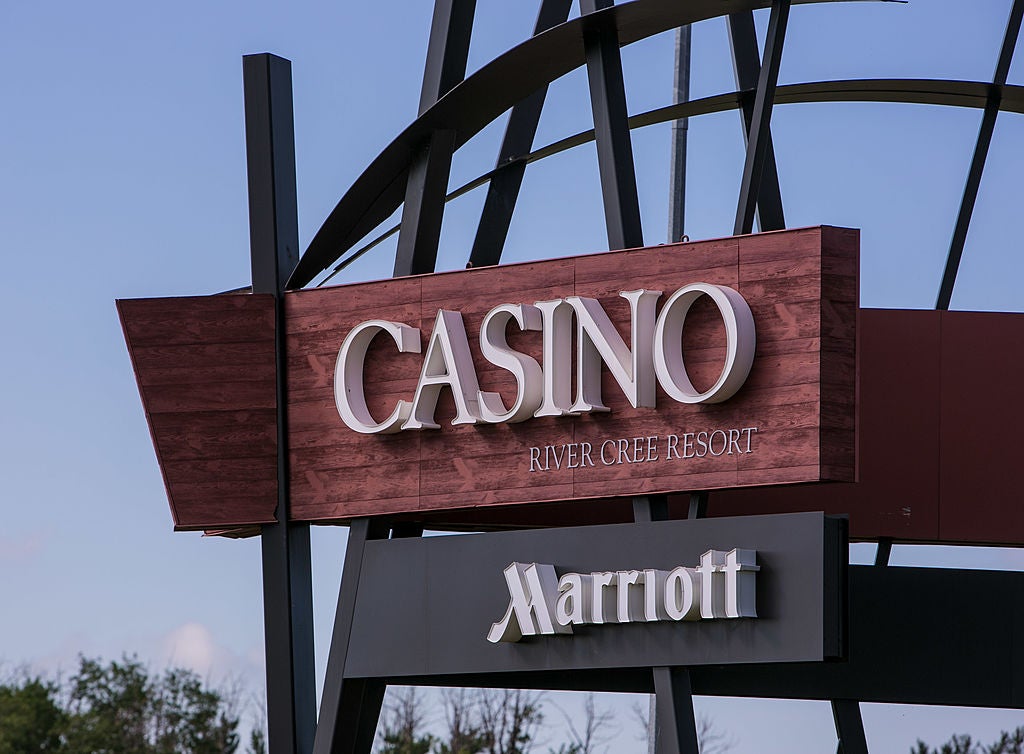
River Cree Joins Alberta’s iGaming Expansion With New GiG Partnership
River Cree Resort & Casino has selected Gaming Innovation Group (GiG) to power its planned online casino and sportsbook launch in Alberta. The partnership adds an established First Nations-owned operator to the province’s newly regulated iGaming market as competition intensifies.

BetMGM Renews Connor McDavid Partnership as Canadian Competition Grows
BetMGM has renewed its multi-year partnership with Edmonton Oilers captain Connor McDavid, extending their collaboration on responsible gambling campaigns. The move follows Alberta’s regulated iGaming launch and comes as licensed operators compete to attract players in Canada’s newest gambling market.

Ontario Regulator Fines theScore Bet $200K Over Parlay Cash-Out Dispute
The Alcohol and Gaming Commission of Ontario has fined theScore Bet $200,000 over two unfulfilled cash-out offers on a multi-leg parlay. The penalty comes as Alberta's newly regulated iGaming market creates fresh opportunities and challenges for operators across Canada.