


Inside BetGuard: Ontario’s New Province-Wide Self-Exclusion System Explained


Photo by PICRYL, PDM 1.0
Ontario’s online gambling boom has moved at a rapid speed. Since the province opened its regulated iGaming market in 2022, Ontario sportsbooks and online casinos have exploded into a multi-billion-dollar ecosystem packed with celebrity ads, nonstop playoff betting, and a flood of new operators chasing market share. In March alone, Ontario reported a staggering $9.59 billion wagering handle and $387 million in non-adjusted gross revenue, while active player accounts climbed past 1.2 million.
But alongside the growth came a harder question shadowing the industry: what happens when the betting never stops?
That conversation changed Thursday, May 14, when iGaming Ontario officially launched BetGuard, a centralized self-exclusion platform designed to let users voluntarily block themselves from Ontario’s entire regulated online gambling market in a single move.
Highlights
- Ontario launched BetGuard to let users self-exclude from all regulated online gambling platforms through a single centralized system.
- The rollout comes as Ontario’s iGaming market reaches record-breaking growth and faces increasing scrutiny over responsible gambling safeguards.
- BetGuard could reshape how regulated betting markets handle addiction prevention, player protection, and long-term industry accountability.
What is BetGuard and How is it Different?
Instead of forcing problem gamblers to individually self-ban from dozens of sportsbooks and casinos one by one, BetGuard creates a province-wide “master switch” for regulated gambling access.
“This is something the industry has been waiting for,” said Paul Burns during launch discussions around the platform. And in many ways, that statement captures why Thursday’s rollout matters far beyond Ontario.
For years, critics argued the province’s responsible gambling framework lagged behind the sheer scale and sophistication of its digital betting market. Ontario’s regulated sector ballooned into one of the largest online gambling ecosystems in North America, with more than 80 gaming sites and betting apps operating under roughly 50 licensed operators. Yet self-exclusion remained fragmented, inconsistent, and heavily dependent on users navigating site-by-site barriers during moments of crisis.
BetGuard attempts to close that gap.
The platform allows Ontario residents aged 19 and older to self-exclude from the province’s licensed iGaming market in under 10 minutes using only a mobile device and government-issued ID. Once registered, users are blocked from existing accounts, prevented from creating new ones, and removed from marketing communications tied to regulated operators. Exclusion periods range from six months to five years, with customizable options available.
Why BetGuard Changes the Responsible Gambling Conversation in Canada
The biggest shift is structural. Ontario is no longer relying on individual operators to police self-exclusion independently. BetGuard centralizes enforcement across the regulated ecosystem, including sportsbooks, online casinos, poker platforms, and Ontario Lottery and Gaming digital products. That may sound procedural, but it fundamentally changes the friction point for vulnerable users.
Research and industry data have consistently shown that self-exclusion systems lose effectiveness when users can simply open a new account elsewhere moments later. Previous investigations into gambling exclusion systems in Canada and abroad exposed major loopholes, particularly around identity variations and fragmented enforcement.
Ontario’s answer was to build something closer to Australia’s national BetStop framework. To make that happen, iGO partnered with Integrity Compliance 360 and IXUP, the company behind Australia’s national self-exclusion technology.
The launch also reflects mounting political and social pressure around gambling harm. Ontario’s betting market has become increasingly visible through athlete endorsements, playoff ad saturation, and nonstop sportsbook integrations across broadcasts. Regulators and advocacy groups have faced rising scrutiny over whether the province prioritized market expansion faster than consumer protection.
That pressure intensified as lawmakers debated stricter advertising standards and advocacy organizations warned about gambling addiction trends among younger demographics.
BetGuard gives the province something important: proof that regulation can evolve alongside commercialization.
What Does This Mean for Ontario’s Gambling Sites?
In the short term, sportsbooks will likely face tighter compliance burdens and more aggressive responsible gambling monitoring requirements. Some operators may quietly worry about reduced player retention or decreased high-frequency gambling activity. But the larger industry calculation appears different. A credible, centralized protection system strengthens the legitimacy of Ontario’s regulated market at a moment when governments across North America are watching closely. Alberta is already preparing its own regulated market launch, and U.S. jurisdictions continue debating nationalized exclusion systems.
For leagues and teams tied financially to betting partnerships, the stakes are equally significant. Sports organizations have embraced gambling revenue streams with remarkable speed, but public sentiment can turn quickly if addiction concerns outpace safeguards. BetGuard offers a pressure-release valve, helping the industry argue that consumer protections are evolving rather than remaining static while revenues soar.
The real test now becomes enforcement.
Can the platform truly prevent excluded users from re-entering the system through alternate credentials, offshore books, or unregulated sites? Can operators consistently synchronize exclusion data fast enough to stop impulsive account creation during vulnerable moments? And perhaps most importantly, will users trust the system enough to use it before gambling harm escalates?
Those answers will define whether BetGuard becomes a global model or simply another well-branded responsible gambling initiative struggling to keep pace with the speed of digital betting.
Rowan Fisher-Shotton, a passionate sports fan and seasoned journalist, hails from Hamilton, Ontario, Canada. Graduating with honours from Wilfrid Laurier University with a Bachelor of Arts in Criminology, Rowan has meticulously honed his skills to become an expert in the iGaming industry, specializing in sports betting analysis and professional sports coverage. Over the past several years, Rowan has developed a deep understanding of effective betting strategies and the dynamics of major leagues like the NBA, NFL, NHL, and NCAA. Now, as an expert in the field, he aims to provide insightful commentary and engaging content to help educate the casual sports bettor. In his off time, you can catch him hitting the gym, nose buried deep in a captivating read or on the hunt for that next winning parlay.

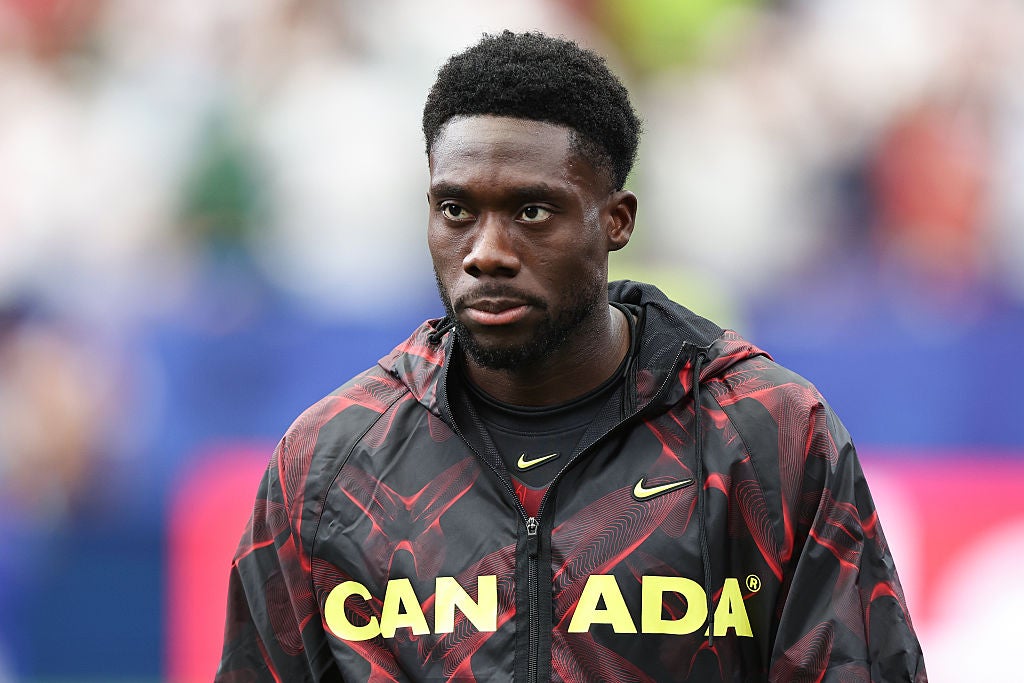
Alphonso Davies Deepfake Shows How Canada’s Fake Gambling Ads Are Evolving
An AI-generated gambling advertisement featuring Alphonso Davies’ family has highlighted Canada’s growing problem with fraudulent gambling promotions. The fake ad directed users to an offshore casino, raising fresh concerns about deepfakes, unlicensed operators, celebrity misuse and consumer protection across Canada.

BETER Secures Ontario Approval to Enter Canadian iGaming Market
BETER has officially entered Canada after securing Gaming-Related Supplier Registration from the AGCO in Ontario. The sports and esports provider can now supply licensed operators with live streams, real-time data, odds and fast-paced betting content across its portfolio.

Minnesota Vikings Strike New Canadian Betting Partnership With BetMGM
BetMGM has become the Minnesota Vikings’ official sports betting and online casino partner in Canada. The partnership gives BetMGM access to Vikings branding in Ontario and Alberta and includes a new Vikings-themed casino game launched across both provinces.